Lately there’s been a lot of talk in the photography world about workshops and retreats—especially after the recent disaster surrounding that one photography retreat in Scotland (if you know you know) which was a major disappointment for many attendees. My experience hasn’t been anything like that, quite the opposite actually, they were very well organized and offered a lot of value. But I’ve been thinking about workshops and styled shoots lately, about what they offer, what they take, and why I’ve decided to take a step back from them this year.
Let me start with this: I don’t have anything against photography workshops or styled shoots. They’re a great space to learn, connect, and gain confidence, especially when you’re starting out. I first became interested in workshops last year, when I made the decision to start a photography business after many years of shooting for myself. I got targeted by an ad for a wedding workshop led by a photographer I didn’t know at the time, but whose work I instantly liked. It felt like a good investment, a golden key into the industry: a chance to learn, gain confidence, and build a portfolio quickly. I eagerly joined, hoping to gain traction. I also attended a few smaller styled shoots before and after, especially since my instagram algorithm was now primed to show me that kind of content constantly. They offered insight, community, and beautiful content. But I’ve come to see their limitations too.
Now, in 2025, I’m consciously choosing not to attend any more.
Unless it’s a truly once-in-a-lifetime opportunity—an incredible location I couldn’t access otherwise, or a shoot tied to meaningful mentoring—I’m stepping away.
Here’s why.
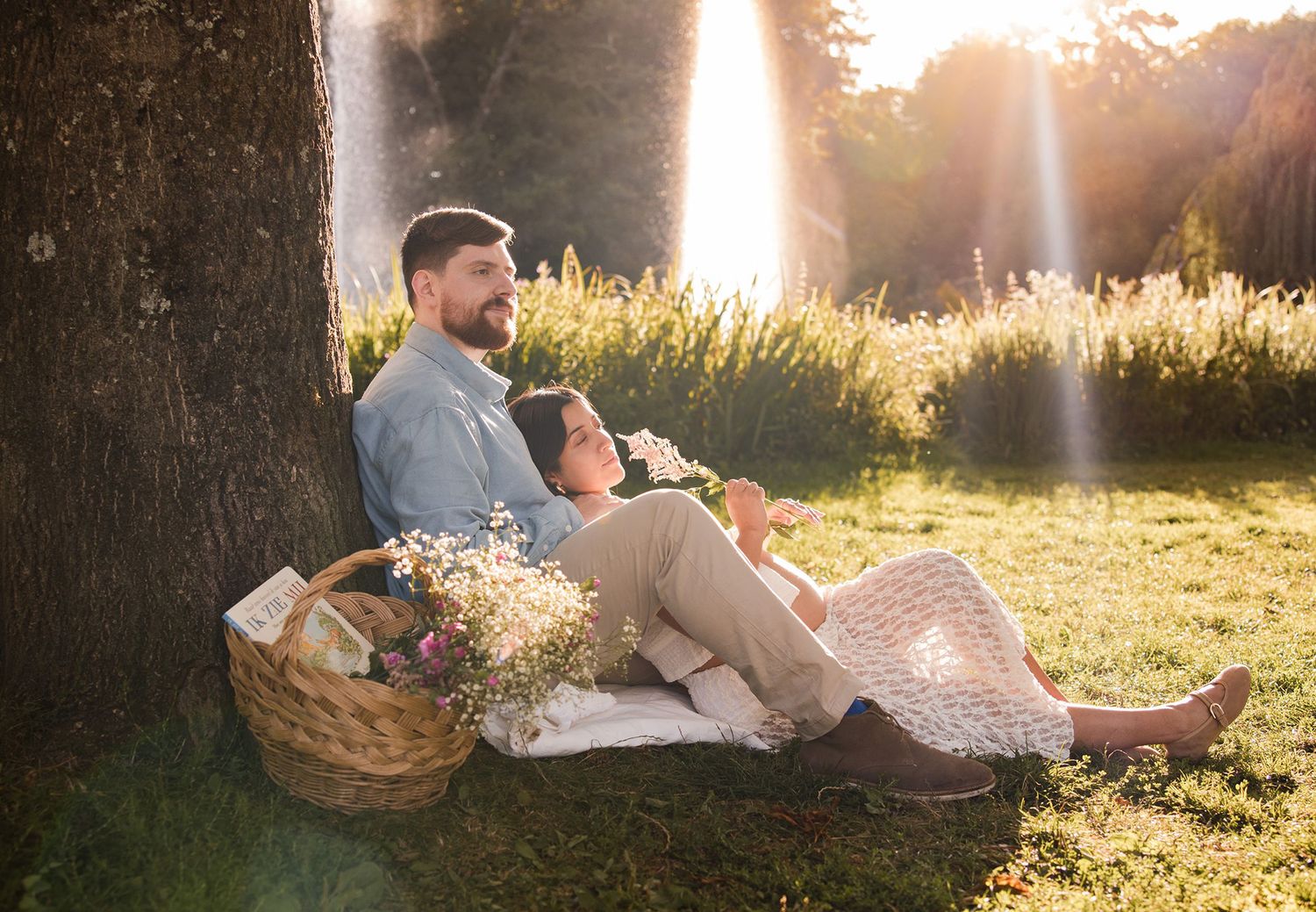
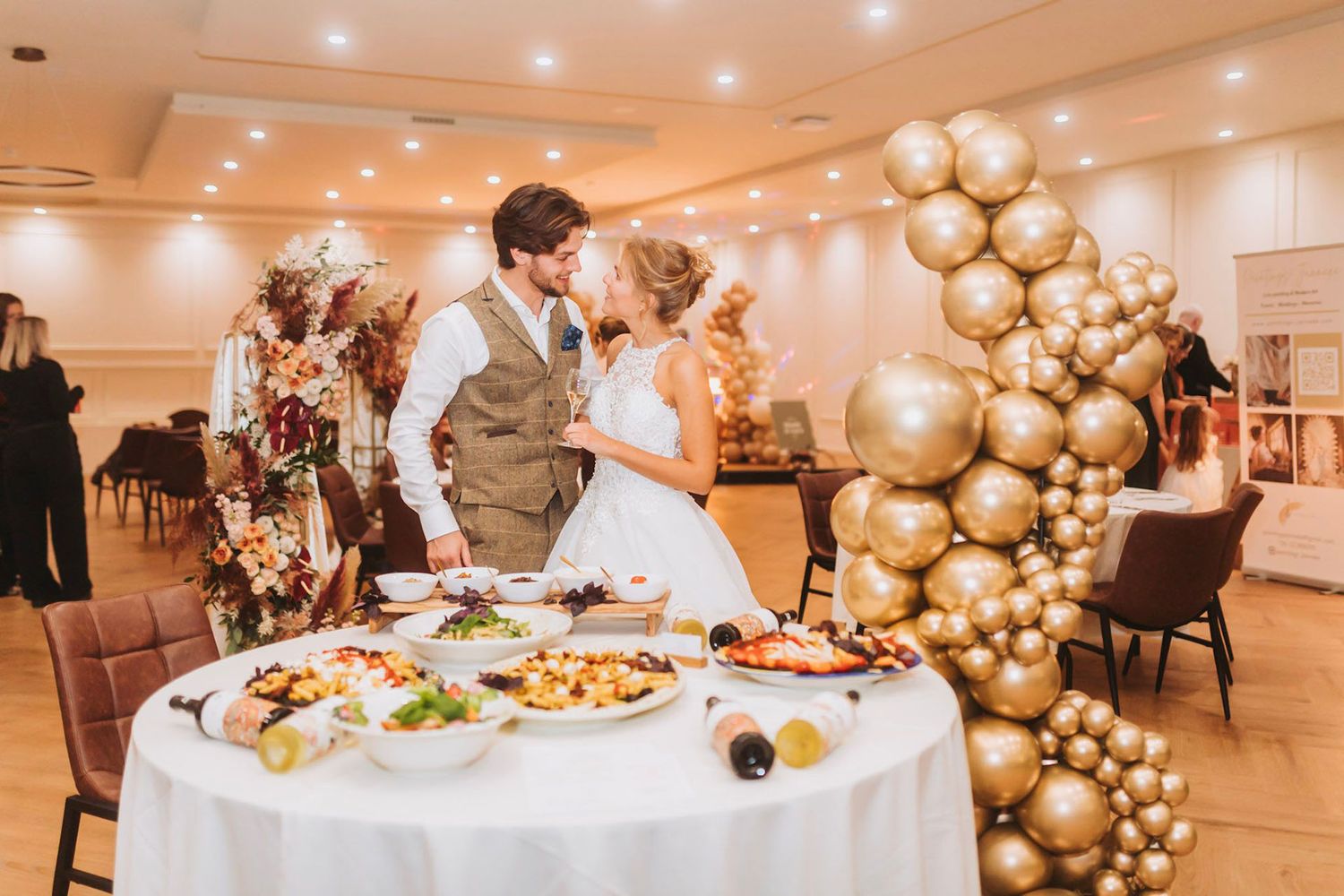
At some point, I realized the images I was creating at these workshops, while undeniably beautiful, weren’t really mine. They were someone else’s vision, someone else’s styling, someone else’s couple, often posed by a group of five or more photographers standing just off frame. It didn’t feel authentic. Once the initial excitement wore off, and once I started seeing the same models and settings pop up across every attendee's Instagram feeds, I didn’t feel proud anymore. I felt like a fraud. Not because the work was bad, but because it didn’t represent what my real work looks like. What my real clients look like. How I direct, how I shoot, how I tell a story.
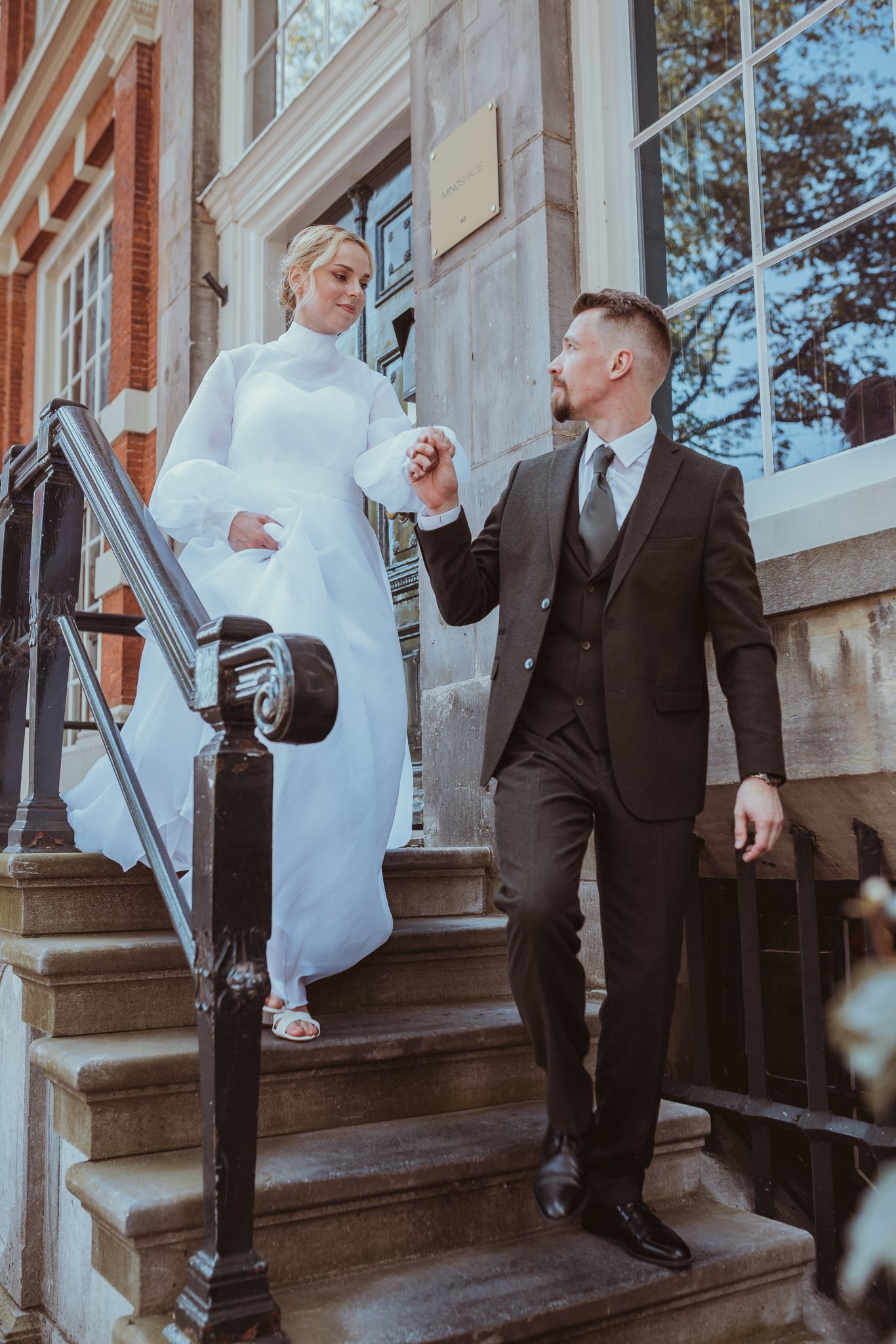
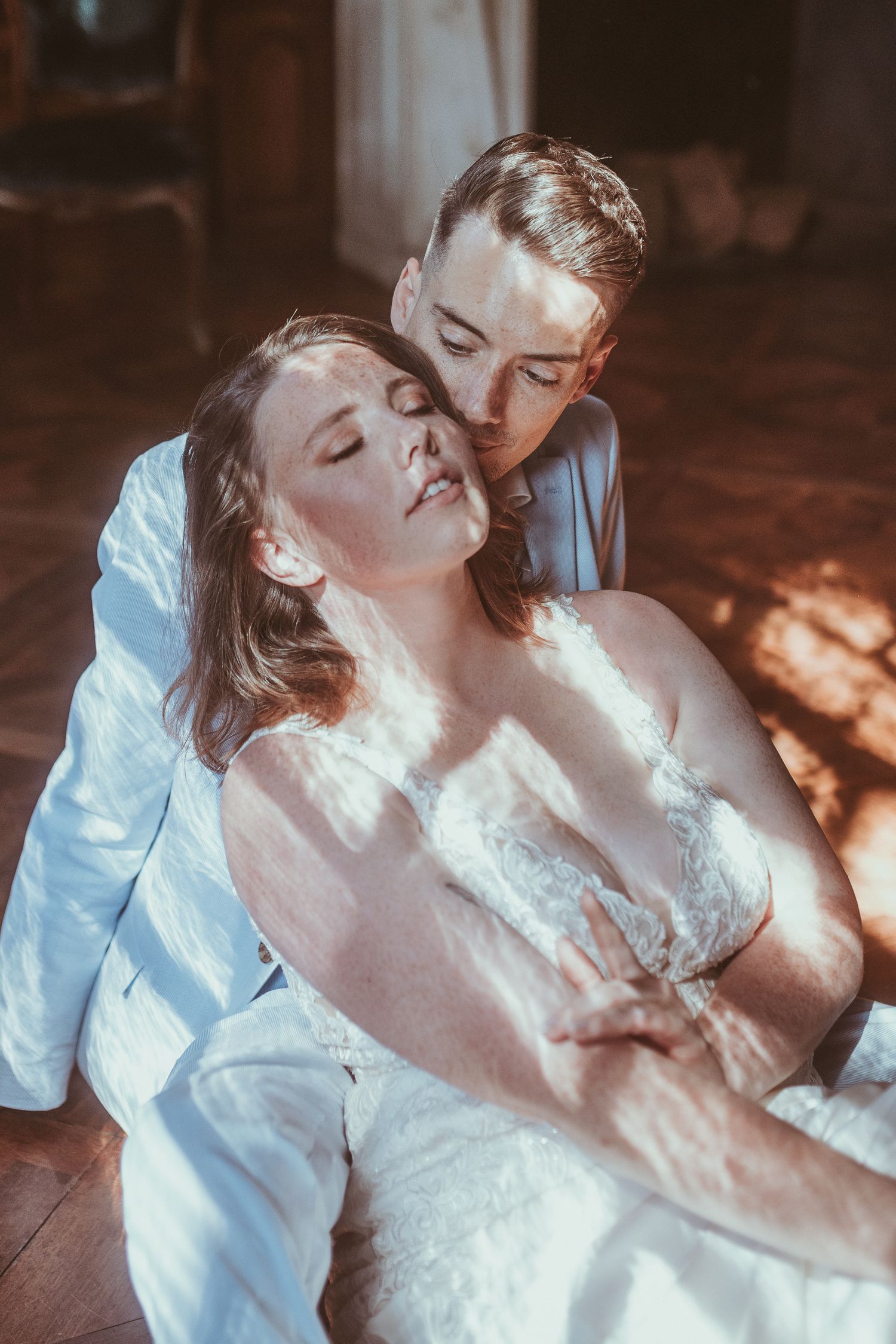
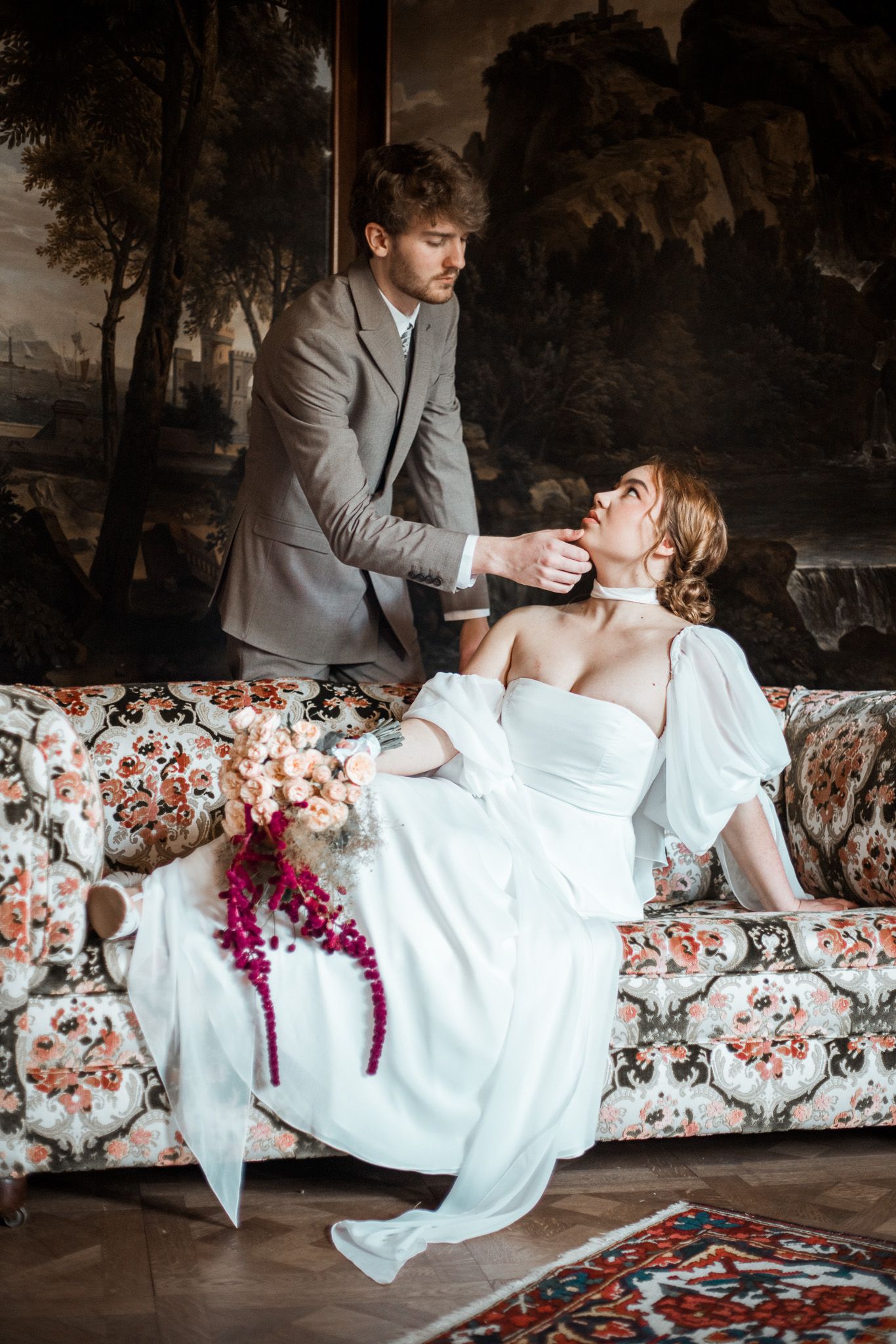
These images were taken at a wedding workshop I attended in 2024. The styling was beautiful, the creative direction was strong, and I admire the talent of everyone involved. But as lovely as they are, they don’t feel like my work.
Dress @ohmy.zigi |MUAH @nata_kras.nova | Florist artist @khalilovyusif | Flowers sponsored by @interplantroses
Art direction & organization @sol.foto.nl
Everything about workshops is designed to be aesthetically perfect: the models, the venue, the flowers, the gown. It’s meant to inspire. And it does! But it also sets a certain expectation, especially for photographers trying to break into the industry. These shoots often look high-end, luxurious, and editorial. While there’s a place for that, I found myself struggling to bridge the gap between those visuals and the actual client work I was doing.
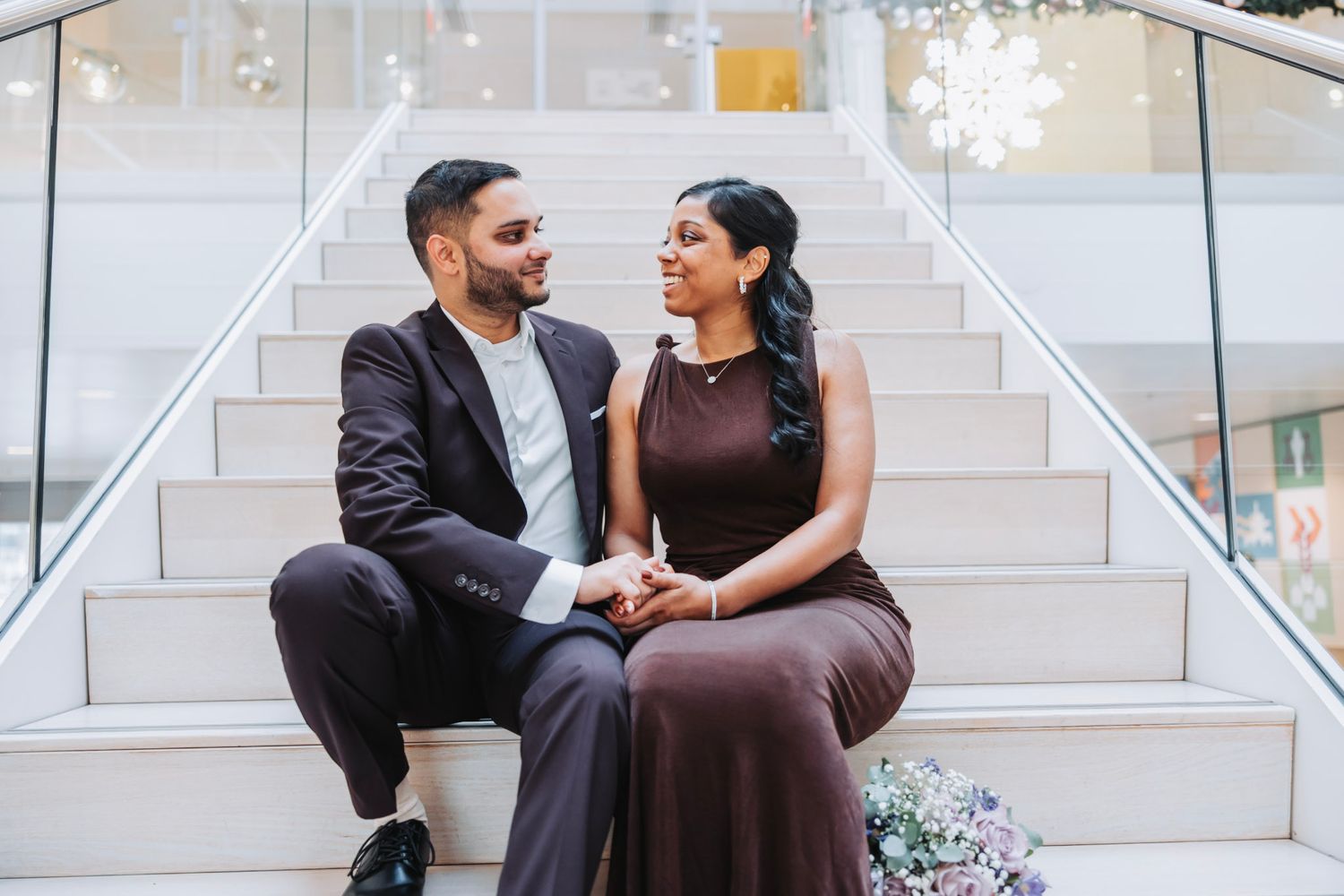
Most couples who hire me aren’t models. They’re looking for meaning, for something real. Real weddings, real life events, real emotions. They want to see images they can relate to, ones that feel familiar and grounded in truth. Pictures where they can actually see themselves—not just something beautiful to scroll past, but something that makes them stop and feel seen. When I speak with them, what truly resonates—the images they point to, the ones they say made them reach out—are always from real weddings and genuine moments I've captured myself, not the curated glamorous styled shoots. Clients often tell me those are the photos that made them feel something, that helped them imagine their own story being told. It's the honesty that draws them in, not the perfection.
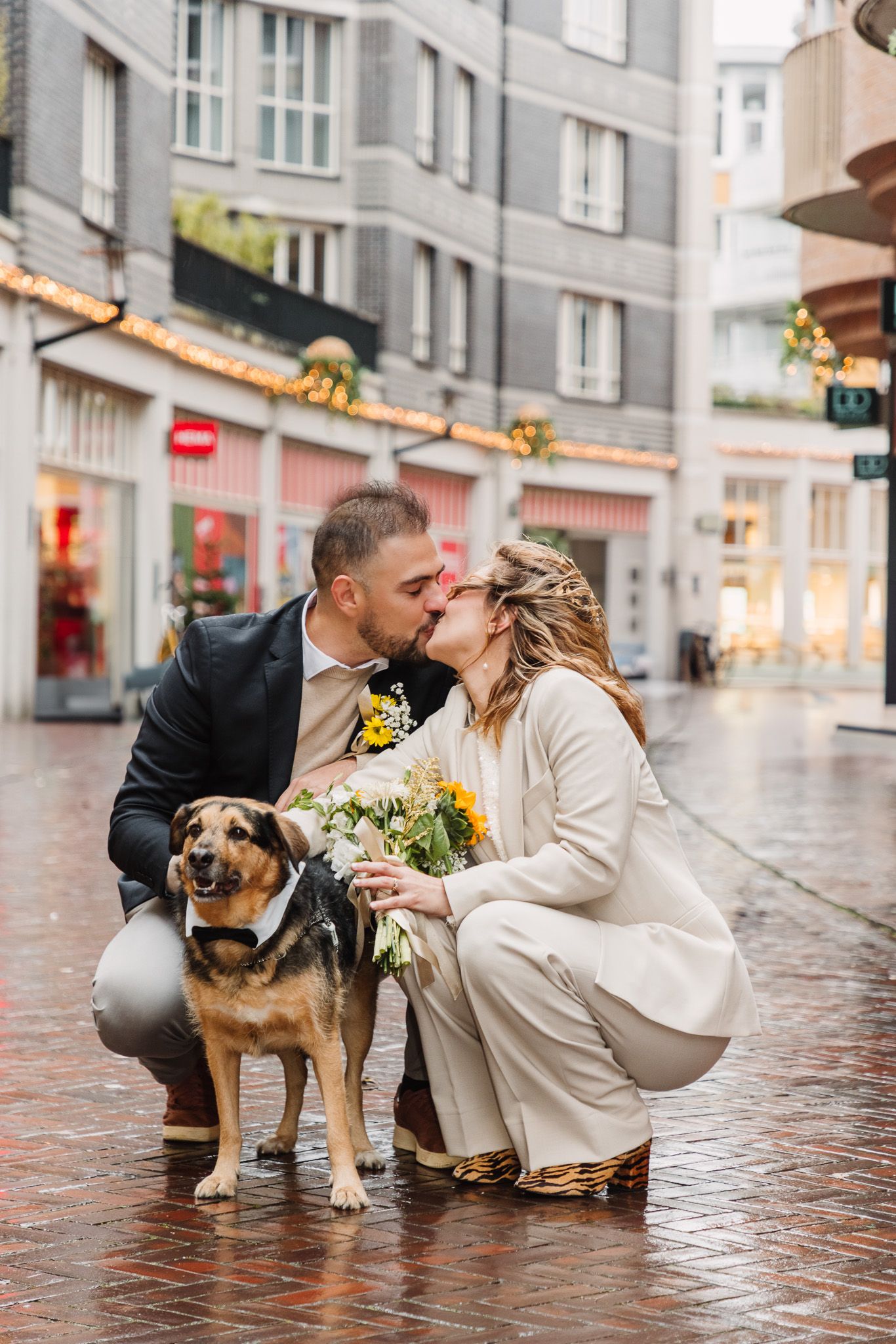
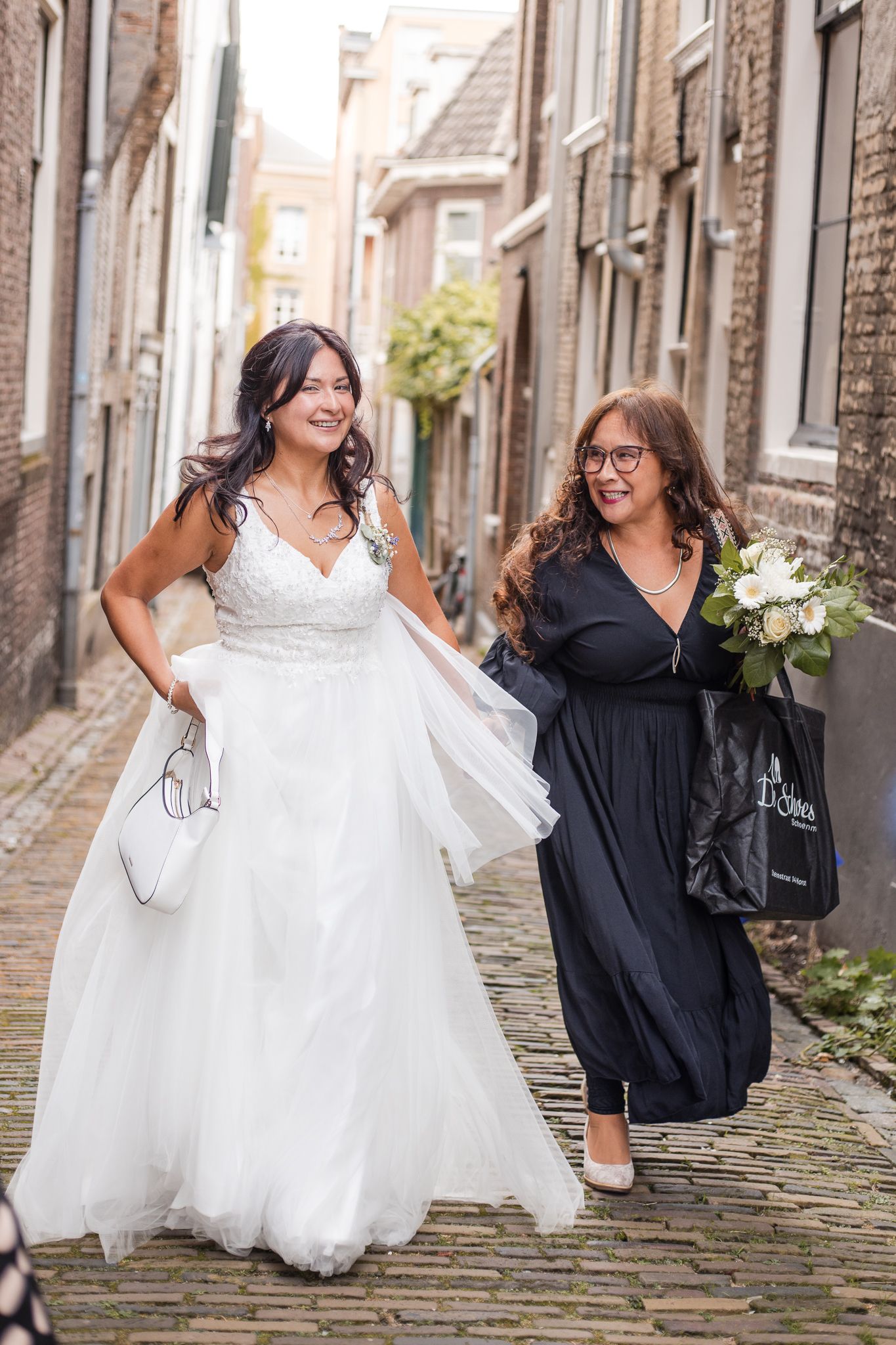
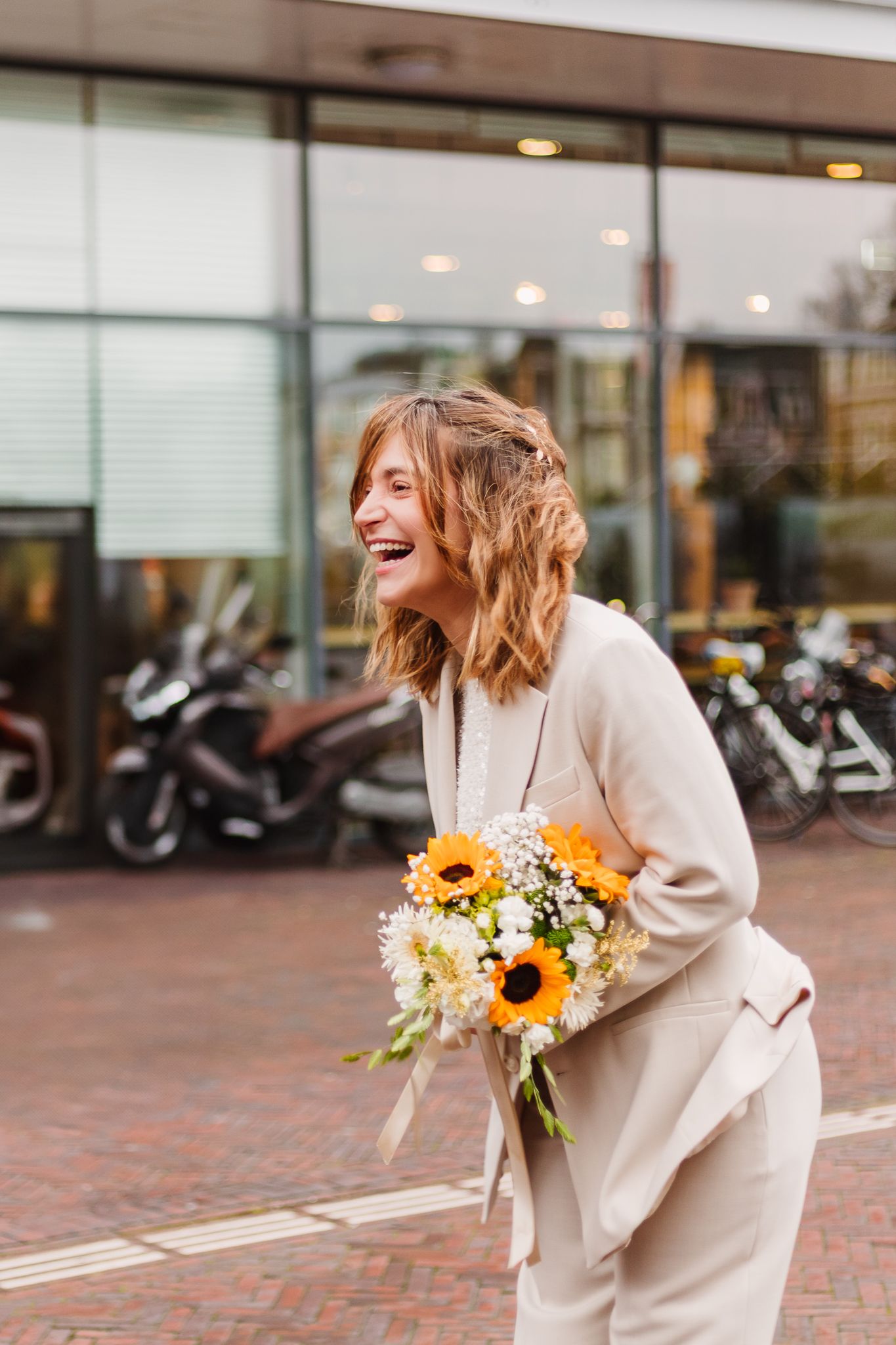
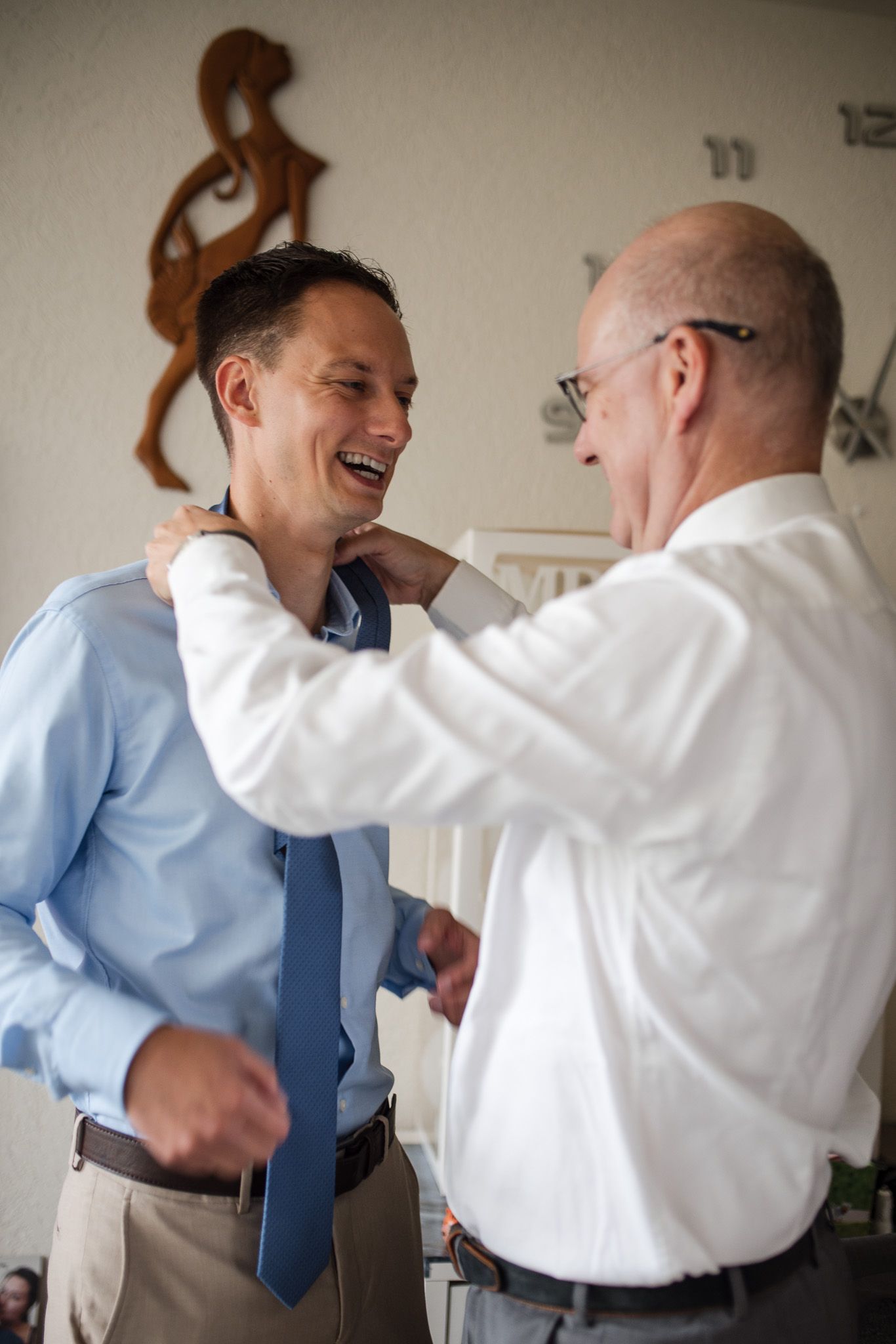
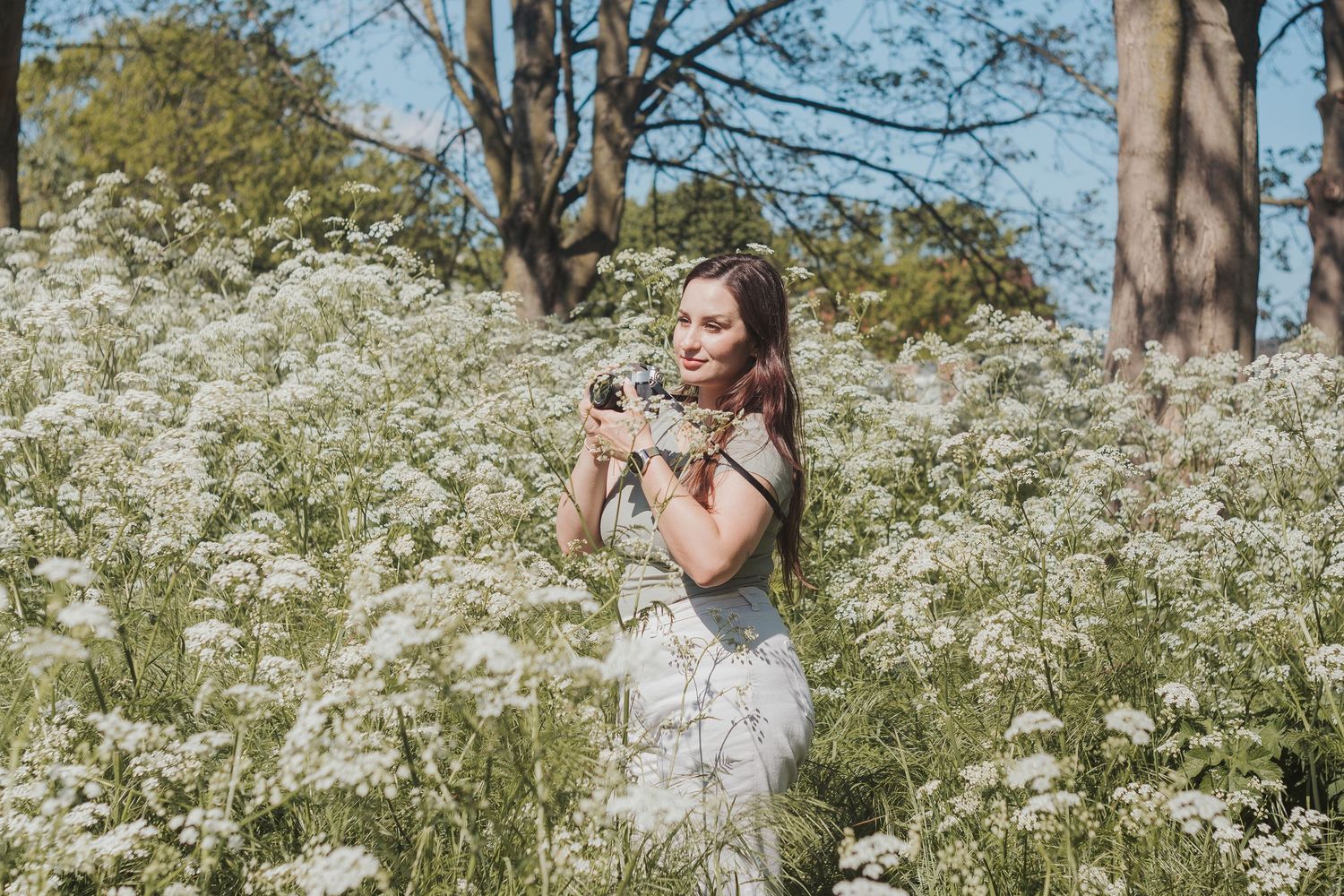
So now, I’m slowly replacing those workshop images in my portfolio with real stories: weddings I documented, shoots I’ve directed, collaborations I’ve built from scratch, client sessions that reflect the experience I actually offer. The kind of work that’s slower, more honest, more mine.
Do I regret doing workshops? No. I met some wonderful people, gained practical knowledge, and learned how to operate professionally. If you’re just starting out or trying to push outside your niche, they can be a great tool. But they should be a stepping stone, not a crutch. You don’t need many. Just a few can be enough to give you a boost of confidence and connections.
What I wish I had done earlier was recognize that the real magic and growth comes when you build your own vision—not just step into someone else’s.
And let’s be honest—the pressure to post beautiful, curated content is very real. But I’m going to gently deinfluence you for a second: it doesn’t matter how perfect your feed looks. At least in my case, that kind of content didn’t help. What mattered more was whether the work felt genuine and true to me.
Starting out with a portfolio full of editorial-style images just didn’t make sense when I didn’t have the experience to back it up—and trust me, clients can tell. They know when what they’re seeing is real, and when it’s just an image made to perform.
But I wouldn’t have realized any of this if I hadn’t gone through it myself. Doing the workshops gave me the contrast I needed. It helped me experience the discomfort and see what didn’t feel like mine. That tension pushed me to get clearer about what kind of work I actually want to make, and what kind of clients I want to attract.
So now, I focus on honest work—real weddings, real couples, real stories. And that’s what resonates. That’s what clients respond to. They don’t want the magazine-perfect version. They want the story. The feeling. The emotion.
So in 2025, I’m not chasing staged perfection. I’m chasing connection, creativity, and growth on my own terms.
If I ever attend a workshop again, it’ll be because it offers something deeper than just pretty pictures. It’ll be about intention, not just aesthetics.
Until then, I’m just going to do my own thing.